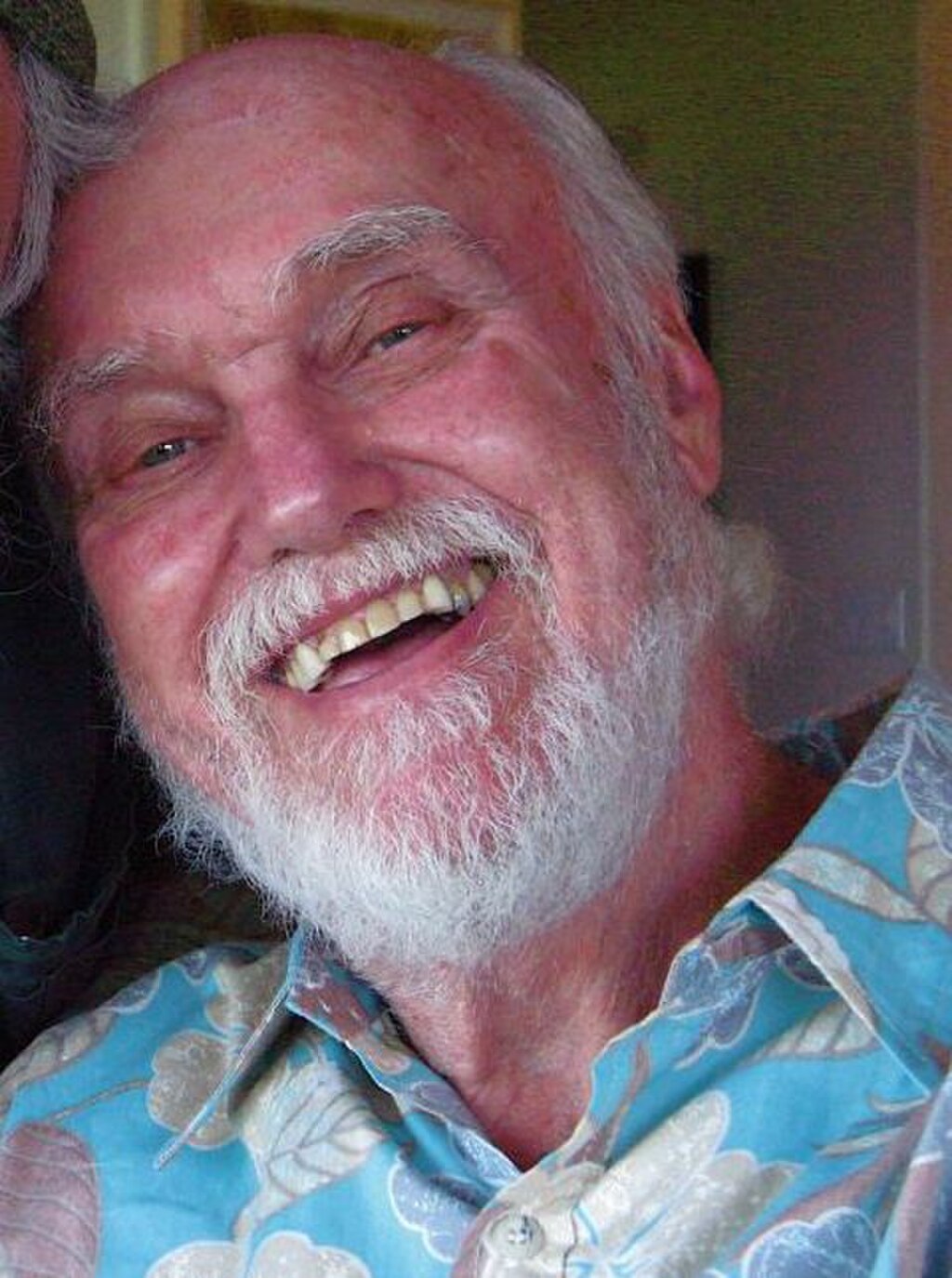
The Ever-Present Witness: Embracing Love in Awareness
In the words of Ram Dass, "The witness is always here, watching with love." This profound statement invites us to recognize a deeper aspect of our consciousness that observes our thoughts, emotions, and experiences with an unwavering sense of compassion. The stakes of this realization are significant; it challenges us to shift our perspective from being merely participants in our lives to becoming conscious witnesses, fostering a loving awareness that can transform our understanding of self and others.
As we delve into this quote, we uncover layers of meaning that resonate with the essence of spiritual practice. The notion of a witness implies a presence that is both detached and deeply engaged, observing without judgment while enveloping all experiences in love. This duality is essential in navigating the complexities of human existence, where suffering and joy coexist. By embracing this witness within us, we cultivate a profound sense of peace and connection to the world around us.
The image / the metaphor
The imagery in Ram Dass's quote evokes a sense of serene observation, where the witness stands as a silent guardian of our inner landscape. The verb "watching" suggests an active engagement, yet it is tempered by the quality of love, which infuses the act of witnessing with warmth and acceptance. This creates a felt sense of safety, allowing us to explore our thoughts and feelings without fear of condemnation. The witness is not a distant observer but rather an intimate presence that embraces our entire being.
Diving deeper into the metaphor, we can see the witness as a reflection of our higher self, the part of us that transcends the chaos of daily life. This aspect of consciousness is akin to the concept of "drashta" in Hindu philosophy, which refers to the seer or observer. By recognizing this witness within, we can begin to detach from the incessant chatter of the mind, allowing us to experience life with greater clarity and compassion. The witness embodies a loving presence that encourages us to embrace our humanity while simultaneously guiding us toward a more profound understanding of our true nature.
In the speaker's tradition
Ram Dass's teachings are deeply rooted in the Hindu tradition, where the concept of the witness is intertwined with various spiritual principles. The idea of "dharma," or one's duty and path, aligns with the witness's role in observing our actions and intentions. In this context, the witness serves as a guide, helping us navigate our dharma with love and awareness. Additionally, the practice of "bhakti," or devotion, emphasizes the importance of love in our relationship with the divine and ourselves, reinforcing the notion that the witness is always present, offering unconditional love.
A relevant text that echoes this sentiment is the Bhagavad Gita, where Lord Krishna speaks of the eternal self that observes all actions without attachment. This concept of "sunyata," or emptiness, further complements the idea of the witness, as it invites us to recognize the impermanence of our thoughts and emotions. By cultivating an awareness of this eternal witness, we can transcend the limitations of our ego and embrace a more expansive understanding of our existence.
Living the teaching
Consider a modern scenario where this teaching can be applied: imagine navigating a challenging work environment filled with stress and competition. In such moments, the practice of becoming the witness allows us to step back from the turmoil and observe our reactions with love and understanding. Instead of becoming entangled in frustration or anxiety, we can acknowledge these feelings without judgment, creating space for a more compassionate response. This shift in perspective not only alleviates personal suffering but also fosters a more harmonious atmosphere among colleagues.
Another application of this teaching can be found in our relationships, particularly during conflicts. When faced with a disagreement, embodying the witness enables us to observe our emotions and thoughts without becoming reactive. By holding space for our partner's feelings and our own, we cultivate an environment of love and understanding. This practice of witnessing transforms potential confrontations into opportunities for deeper connection, allowing both individuals to feel seen and valued.
A reflection
As we reflect on Ram Dass's quote, we are invited to consider the nature of our own witness. How often do we allow ourselves to step back and observe our experiences with love and compassion? In moments of difficulty or joy, can we cultivate the awareness of the witness within us, embracing all aspects of our humanity? This contemplative question encourages us to explore the depths of our consciousness and the transformative power of love in our lives.




Join the BrightStar Community
Stay connected with daily inspiration, event announcements, and community wisdom