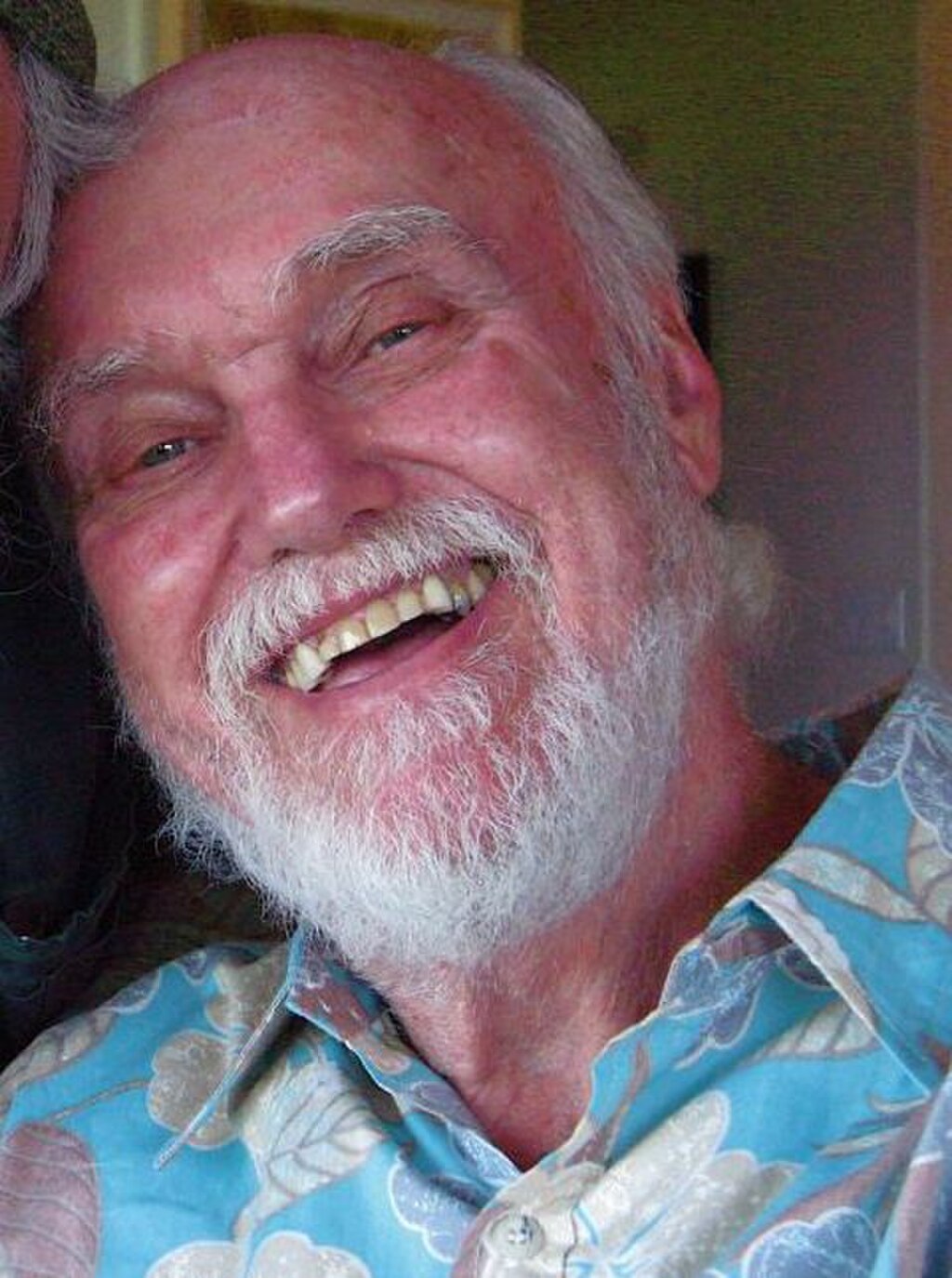
The Heart's Alchemy: Transforming Pain into Compassion
Ram Dass poignantly encapsulates a profound truth when he states, "As you take in another's pain, your heart breaks open." This quote invites us to explore the transformative power of compassion, suggesting that the act of empathizing with another's suffering can lead to a deepening of our own emotional and spiritual capacities. In a world often marked by division and indifference, this teaching serves as a reminder of the interconnectedness of all beings and the potential for healing that resides within vulnerability.
To break open one's heart is not merely to feel sorrow; it is to engage in a sacred process of connection and understanding. When we allow ourselves to truly witness another's pain, we are invited into a space of shared humanity. This act of compassion can be both a catalyst for personal growth and a pathway to collective healing. Ram Dass's words challenge us to embrace the discomfort of another's suffering, suggesting that in doing so, we may find our own hearts expanded and enriched.
The image / the metaphor
The imagery of a heart breaking open evokes a visceral response, suggesting both fragility and strength. The verbs "take in" and "break" imply an active engagement with pain, rather than a passive observation. This process is not about merely feeling sorry for someone; it is about allowing their suffering to penetrate our own emotional landscape, leading to a profound transformation. The heart, often seen as a symbol of love and compassion, becomes a vessel for both sorrow and healing, illustrating the dual nature of our emotional experiences.
Diving deeper into the metaphor, we can see that the act of breaking open is not an end but a beginning. It signifies a shedding of the barriers that often separate us from one another. In this breaking, we find an opportunity for renewal, as the heart expands to encompass not only our own experiences but also those of others. This metaphor invites us to consider how our own pain and the pain of others can coexist, leading to a more profound understanding of love and compassion.
In the speaker's tradition
Ram Dass's teachings are deeply rooted in the Hindu tradition, where concepts such as dharma and bhakti illuminate the path of compassion. Dharma, or the moral order of the universe, encourages us to act with integrity and empathy towards others. The notion of bhakti, or devotional love, emphasizes the importance of surrendering oneself to the divine through acts of love and compassion. In this context, breaking open our hearts in response to another's pain becomes a sacred duty, aligning us with our higher purpose and the interconnected web of existence.
In the Bhagavad Gita, we find a parallel sentiment expressed through the idea of selfless action. Krishna advises Arjuna to act without attachment to the fruits of his actions, suggesting that true fulfillment comes from serving others. This teaching resonates with Ram Dass's message, as both emphasize the importance of transcending the self in order to embrace the collective suffering of humanity. By breaking open our hearts, we align ourselves with the divine flow of compassion that permeates the universe.
Living the teaching
Consider a modern scenario where this teaching might resonate: a friend confides in you about their struggles with grief after losing a loved one. In this moment, you have a choice: to listen with empathy and allow their pain to touch your heart, or to distance yourself, fearing the discomfort that comes with such vulnerability. By choosing to take in their pain, you not only honor their experience but also allow your own heart to break open, creating a space for healing and connection. This shared experience can foster a deeper bond and mutual understanding, illustrating the transformative power of compassion.
Another application of this teaching can be found in the dynamics of a romantic relationship. When conflicts arise, it is easy to become defensive and withdraw. However, if both partners commit to taking in each other's pain, the relationship can evolve into a space of profound intimacy. By breaking open their hearts to one another, they can navigate the complexities of their emotions, fostering a deeper understanding and a stronger connection. This practice of vulnerability and empathy can transform not only individual relationships but also the broader fabric of community.
A reflection
As we contemplate Ram Dass's words, we are invited to reflect on our own capacity for compassion. How often do we allow ourselves to truly feel the pain of others, and what does it mean for our hearts to break open in response? In this moment of reflection, consider the following question: What barriers do I need to dismantle within myself to fully embrace the suffering of others and allow my heart to expand in compassion?




Join the BrightStar Community
Stay connected with daily inspiration, event announcements, and community wisdom