Embracing the Eternal Now
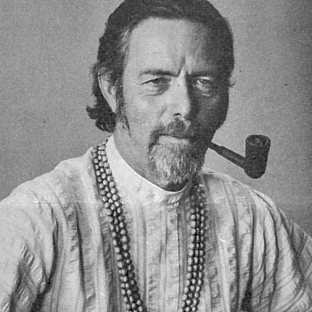
Alan Watts's assertion that "the future never comes; the past has never been" invites us to reconsider our relationship with time. In this profound statement, Watts challenges the conventional understanding of temporal existence, suggesting that our fixation on what is to come or what has already transpired distracts us from the only moment that truly exists: the present. This perspective is not merely philosophical; it holds significant implications for how we experience life, urging us to cultivate a deeper awareness of the now.
By emphasizing the ephemeral nature of both the future and the past, Watts encourages us to recognize the illusion of time as a linear construct. This realization can be liberating, as it frees us from the burdens of regret and anxiety that often accompany our thoughts about what has been or what might be. Instead, we are invited to immerse ourselves in the richness of the present moment, where life unfolds in its fullest expression. Understanding this can lead to a more profound sense of peace and fulfillment, as we learn to appreciate the beauty of existence as it is, rather than how we wish it to be.
The image / the metaphor
The imagery in Watts's quote evokes a sense of fluidity and transience. The verbs "comes" and "has been" suggest a movement that is perpetually out of reach, highlighting the futility of chasing after time. The future, with its promises and possibilities, remains an elusive horizon, while the past, with its memories and lessons, exists only in our minds. This creates a felt sense of urgency and longing, as we often find ourselves caught in a cycle of anticipation and reminiscence, rather than fully engaging with the present.
In the speaker's tradition
Alan Watts's insights are deeply rooted in Zen philosophy, which emphasizes the importance of mindfulness and the present moment. Concepts such as *sunyata* (emptiness) and *prajna* (wisdom) resonate with his assertion, as they encourage practitioners to let go of attachments to past and future, embracing the now as the only reality. In Zen, the practice of meditation serves as a means to cultivate this awareness, allowing individuals to experience the fullness of existence without the distractions of temporal concerns.
In his works, Watts often draws parallels between Eastern philosophies and Western thought, illuminating the shared understanding of time's illusory nature. For instance, in the *Tao Te Ching*, Laozi speaks of the importance of living in harmony with the present, suggesting that true wisdom lies in recognizing the transient nature of life. This alignment with the present moment is not merely a philosophical stance but a practical approach to living that fosters peace and clarity.
Living the teaching
Consider a modern scenario where this teaching resonates: a busy professional, constantly preoccupied with deadlines and future projects, finds themselves overwhelmed by stress. In this state, the individual may neglect the simple joys of daily life, such as a warm cup of tea or a conversation with a loved one. By embracing Watts's teaching, they can shift their focus from the relentless pursuit of future achievements to the richness of the present moment, discovering that fulfillment lies not in what is to come, but in the beauty of now.
In relationships, this teaching can also have a profound impact. Imagine a couple caught in a cycle of past grievances, each partner holding onto memories that cloud their interactions. By practicing mindfulness and letting go of past hurts, they can cultivate a deeper connection, allowing their relationship to flourish in the present. This shift in perspective fosters compassion and understanding, enabling them to appreciate each other for who they are in the moment, rather than who they were.
A reflection
As we contemplate Alan Watts's assertion, we are invited to ask ourselves: How often do I find myself lost in thoughts of the past or future, neglecting the present moment? This question serves as a gentle reminder to pause and reflect on our relationship with time. By cultivating awareness of the now, we can begin to experience life more fully, discovering the profound beauty that exists in each fleeting moment.



Join the BrightStar Community
Stay connected with daily inspiration, event announcements, and community wisdom