The Universe as Play: Embracing Life's Dance
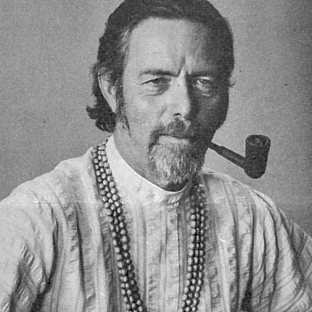
Alan Watts invites us to perceive life as a grand game, suggesting that the universe itself is engaged in a playful dance. This perspective challenges our often serious and goal-oriented approach to existence, urging us to embrace the spontaneity and joy inherent in our experiences. By recognizing life as a playful interaction rather than a relentless pursuit, we open ourselves to deeper understanding and connection with the cosmos.
In this light, the quote serves as a profound reminder of the fluidity of existence. It encourages us to step back from our rigid frameworks and expectations, allowing ourselves to engage with life in a more liberated and joyous manner. This playful engagement can transform our experiences, revealing the interconnectedness of all things and the beauty of simply being present in the moment.
The image / the metaphor
The imagery in Watts's quote evokes a sense of lightness and creativity, suggesting that life is not merely a series of challenges to be overcome but rather a game to be played. The use of the word "game" implies rules, spontaneity, and a sense of fun, while "the universe playing" personifies the cosmos as an active participant in this dance. This metaphor invites us to consider how we might approach our lives with a sense of curiosity and playfulness, rather than viewing them through the lens of obligation and seriousness.
In the speaker's tradition
Alan Watts, a prominent figure in the popularization of Eastern philosophy in the West, draws heavily from Zen Buddhism and Taoism. Within these traditions, concepts such as *sunyata* (emptiness) and *dharma* (the cosmic law and order) resonate with his idea of life as a playful game. The Zen perspective encourages us to let go of rigid attachments and to embrace the fluidity of existence, much like a game that evolves with each player's move. This playful approach to life aligns with the Zen practice of mindfulness, where being present in the moment allows us to experience the fullness of life.
In his work, Watts often references the *Tao Te Ching*, a foundational text of Taoism that emphasizes the importance of aligning oneself with the natural flow of the universe. The text speaks to the idea of *wu wei*, or effortless action, which mirrors the playful engagement with life that Watts advocates. By surrendering to the flow of existence, we can experience life as a harmonious dance rather than a struggle against the current.
Living the teaching
Consider a modern scenario where this teaching might resonate: a busy professional overwhelmed by deadlines and expectations. In this context, the idea of life as a game can serve as a powerful reminder to step back and reassess priorities. Instead of viewing work solely as a means to an end, one might approach tasks with a sense of playfulness, allowing creativity and spontaneity to flourish. This shift in perspective can lead to greater satisfaction and a renewed sense of purpose, transforming the workplace into a space of collaboration and joy.
Another application of this teaching can be found in personal relationships. Imagine a couple facing challenges in their communication. By embracing the notion of life as a game, they might approach their interactions with curiosity and openness, rather than defensiveness. This playful attitude can foster deeper connections, allowing them to navigate conflicts with a sense of humor and understanding, ultimately enriching their bond and enhancing their shared experiences.
A reflection
As we contemplate Watts's assertion that "this game called life is the universe playing," we are invited to consider how we engage with our own lives. Are we approaching our experiences with a sense of playfulness, or are we weighed down by seriousness and expectation? In what ways can we invite more joy and spontaneity into our daily routines? Reflecting on these questions can help us cultivate a deeper appreciation for the beauty and interconnectedness of life.



Join the BrightStar Community
Stay connected with daily inspiration, event announcements, and community wisdom